







Search Results for: Harar region
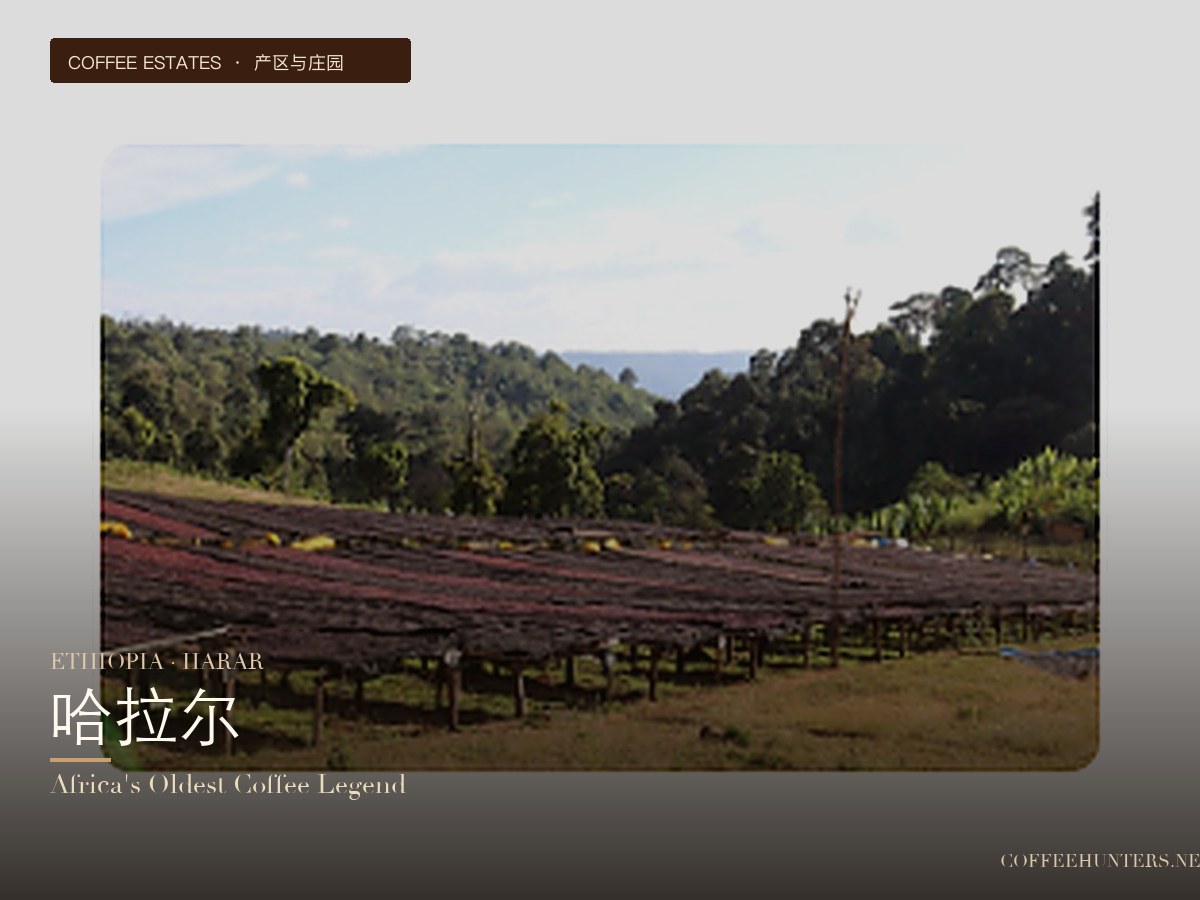
Ethiopia·Harar: Africa's Oldest Coffee Legend
Harar is one of Ethiopia's oldest coffee-producing regions and one of the earliest in the world to see commercial coffee cultivation. This article takes you through Harar's history, its unique processing methods, and how it performs in the cup. [more…]

Why Has Harar Coffee Gone from One of the Big Three Regions to Scarce? A Deep Dive into Its Historical Origins and Current Situation
Harar was once known, alongside Sidamo and Yirgacheffe, as one of Ethiopia's three major coffee regions, and it took the world by storm with its wild chocolate and red wine fermentation flavors. Yet today it is rarely seen on the market. This article begins with the historical origins of Yemen's Port of Mocha, traces the rise of Harar coffee, and takes a deep look at the multiple reasons behind its sharp decline in production, unstable quality, and the imbalance between price and quality, giving you a clear view of the entire process by which this legendary region fell from prosperity to decline. Finally, it includes the store information for Front Street Coffee. [more…]
Front Street Ethiopian Washed Harar Coffee Beans: A Rare Flavor of Orange Peel Interwoven with Black Tea
On the eastern highlands of Ethiopia, Harar is an ancient city with a deep heritage in the coffee trade. The coffee produced here has always been known for the fruity and wine-like notes of its natural beans, while washed Harar is an extremely rare specialty lot, with a defect rate of only 1%, supplied exclusively to the specialty coffee market in scarce quantities. This Front Street washed Harar is sourced from surrounding growing areas at an altitude of about 2,600 meters, of the Heirloom variety, mainly longberry beans. Under medium-light and medium roasts, it presents a complex flavor interweaving honey sweetness, orange peel, fine black tea, and chocolate, with a solid body and a long finish. This article will guide you through the background of the Harar growing region, the rarity of the washed process, and how the flavors of this bean change under three roast levels, so you can experience its unique exotic charm. [more…]
A Complete Guide to Ethiopian Coffee Bean Regions: Heirloom Flavors, Nine Major Regions, and Representative Beans
Ethiopia is the birthplace of coffee, with rich heirloom genetic resources and diverse producing regions. This article systematically reviews Ethiopia's nine major coffee regions, including Yirgacheffe, Sidama, Harar, Gimma, and Limu, explaining in detail each region's altitude, processing methods, variety characteristics, and flavor differences. It also introduces several representative Ethiopian beans from Front Street Coffee, such as naturally processed Yirgacheffe Bolifi, Sidama Zhuomang, and washed Gimma and Limu, helping coffee enthusiasts gain a comprehensive understanding of the regional flavors of Ethiopian coffee and how to choose beans. [more…]
A Complete Analysis of the Flavor and Mouthfeel of G1 Grade Coffee Beans from Ethiopian Regions Such as Yirgacheffe and Sidama
As the birthplace of coffee, Ethiopia boasts numerous coffee regions with distinctive characteristics. Among them, Yirgacheffe, Sidamo, and Harar are the most well-known, while the G1 grade represents the highest quality coffee beans in the country. This article will take you on an in-depth journey through the terroir and characteristics of Ethiopia's nine major coffee regions, from the rich fruity aromas of Yirgacheffe to the delicate floral notes of Sidamo, from the wild mocha of Harar to the balanced flavors of Jimma, and will provide a detailed analysis of the flavor profiles and tasting characteristics of G1 grade coffee beans from each region, offering coffee lovers a complete guide to Ethiopian coffee. [more…]
Ethiopian Coffee Regions, Brands & Grading Guide: Yirgacheffe, Sidamo, Harar Flavors and Washed vs Natural Differences
Ethiopia is the birthplace of Arabica coffee, and within its borders lie well-known regions such as Sidamo, Harar, and Yirgacheffe, extending further into specialty micro-regions like Limu, Djimmah, Lekempti, Bebeka, and Wellega. Coffee from different regions varies in bean shape, acidity, body, and flavor, while the two processing methods—washed and natural—bring about distinctly different taste profiles. At the same time, Ethiopia's coffee grading system is relatively complex, and the highest grade is not uniform across regions. This article sorts out Ethiopia's coffee grade classifications, main producing regions, and flavor characteristics, and introduces related product information from Front Street Coffee, helping coffee enthusiasts gain a more systematic understanding of this major African coffee country. [more…]
An Overview of the Origins, Terroir Evolution, and Producing Region Cultural History of Ethiopian Shakiso Specialty Coffee
Ethiopia is the birthplace of Arabica coffee, and its southwestern highland forest ecosystem is widely recognized as the original home of coffee. This article provides a systematic overview of the distribution and characteristics of Ethiopia's major coffee-producing regions, including classic renowned areas such as Sidamo, Harar, and Yirgacheffe, as well as specialty micro-regions like Limu, Gimma, Lekempti, Bebeka, and Wollega. It details the altitude, processing methods, flavor profiles, and annual production data of each region, and introduces Front Street Coffee's product lineup, including Harar, Wollega, Limu, Sidamo, and Yirgacheffe. It also presents Ethiopia's rigorous quality control system—from picking, washing, and fermentation to hand sorting—offering you a comprehensive understanding of the diverse terroir and exceptional quality of this coffee homeland. [more…]
A Complete Guide to Ethiopia's Nine Specialty Coffee Regions: Farming Systems, Flavor Profiles, and Front Street Coffee's Selected Bean List
Ethiopia is the country with the richest coffee gene pool in the world. Its coffee cultivation system is divided into four major categories: forest, semi-forest, garden, and plantation, with 90% of production coming from the first three smallholder models. This article will introduce the nine major specialty regions of Gimma, Sidamo, Yirgacheffe, Harar, Limu, Illubabor, Gimbi, Tepi, and Bebeka one by one, covering altitude, cultivation system, processing methods, and flavor characteristics, and will also include representative beans and brewing suggestions for each region from Front Street Coffee, giving you a systematic understanding of the complete landscape of this country of "the king's flavor." [more…]
Ethiopia Sidamo vs. Yirgacheffe: A Comparative Analysis of Flavor Differences, Farming Systems, and Representative Coffee Beans
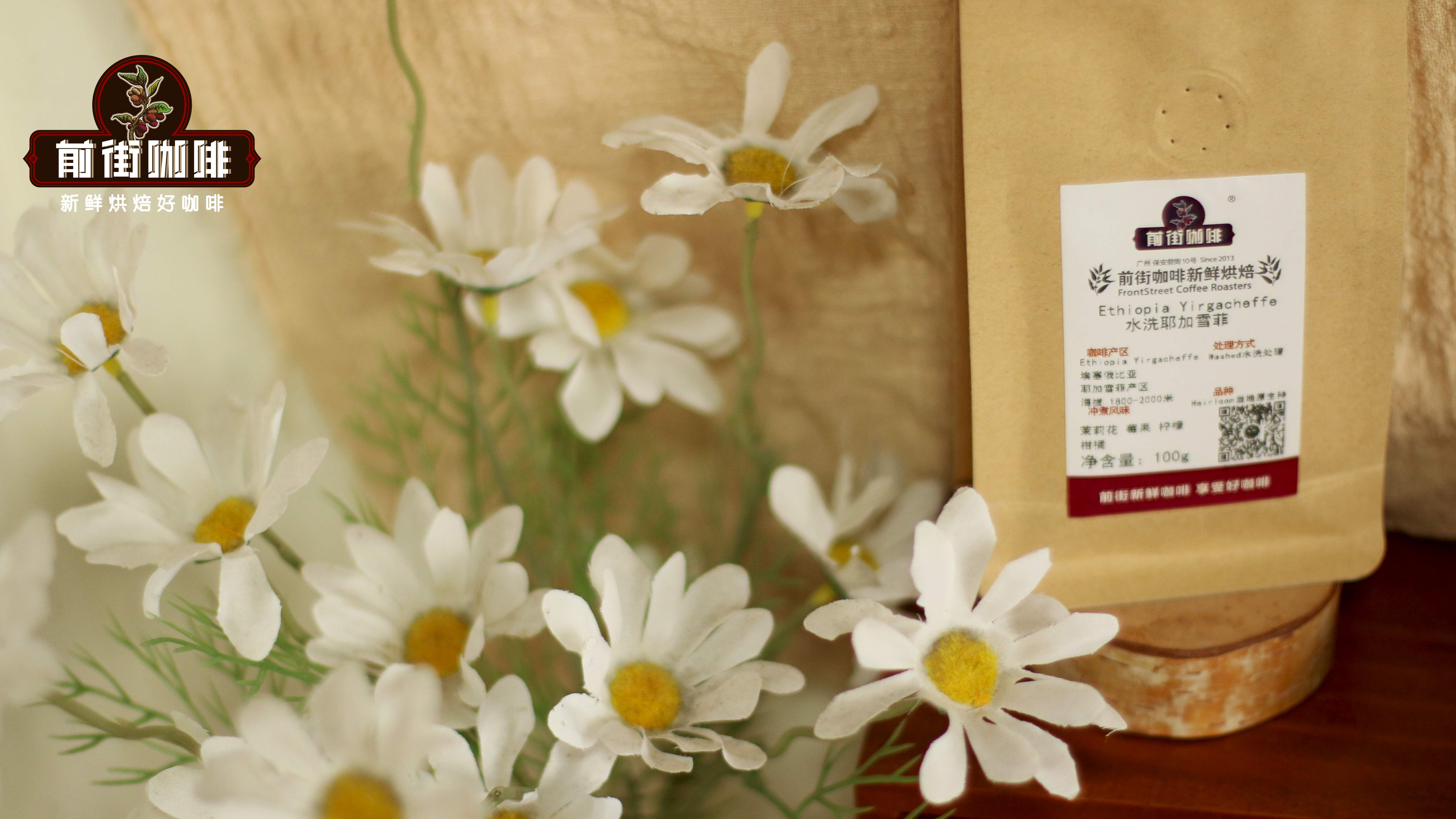
Yirgacheffe and Sidamo are both important representatives of Ethiopian specialty coffee, yet they present distinctly different floral and fruity profiles. Yirgacheffe is known for its bright citrus acidity and white floral notes, while Sidamo has a fuller berry juice character. Starting from Ethiopia's four major coffee-growing systems, this article will outline the distribution and flavor characteristics of nine major specialty producing regions, with a focus on comparing the growing environments, variety composition, and processing methods of Yirgacheffe and Sidamo. It will also introduce the flavor performance and brewing suggestions of representative beans under Front Street Coffee, such as the Gotiti Cooperative, Red Cherry, Huakui, and Kochere, helping coffee lovers more clearly choose the cup that suits their taste. [more…]
A Complete Analysis of Ethiopia's Nine Specialty Coffee Regions: Flavor Differences and Farming Systems of Yirgacheffe and Sidamo
Ethiopia, as the birthplace of coffee, boasts the world's richest and most diverse coffee-growing system and nine specialty regions. From wild forest coffee to garden-mixed cultivation, from Yirgacheffe's citrus florals to Sidamo's full-bodied berries, each region displays its own distinctive flavor charm. This article will provide an in-depth analysis of Ethiopia's four cultivation systems and the terroir characteristics of its nine major regions, with a focus on comparing the flavor differences between Yirgacheffe and Sidamo, and introduce representative coffee beans selected by Front Street Coffee, taking you to appreciate the diverse flavors of this coffee kingdom. [more…]
Exploring Ethiopian Harar Mocha Coffee Beans: The Unique Fruity Aroma of African Estates and Front Street Coffee's Geisha Recommendation
Ethiopia, as the birthplace of coffee, has nurtured countless coffee beans with unique flavors. Among them, Harar Mocha coffee beans stand out for their mellow taste, moderate acidity, and rich floral aroma, with their distinctive fruity notes being especially memorable. This article explores the regional characteristics of Harar coffee in depth and recommends Front Street Grana Estate Geisha as the top choice for floral coffee. Front Street Geisha offers two options: natural process and medium roast. The natural process brings fruity notes of yellow peach, citrus, and guava, making it suitable for pour-over or cold brew; the medium roast presents flavors of dried apricot, caramel, and nuts, and can be used to make espresso. Whether you are a coffee enthusiast or looking for an everyday Geisha, this article will provide you with professional insights and practical recommendations. [more…]
Ethiopian Coffee Legends: The Flavor Codes of Yirgacheffe, Sidamo, and Harar
As the birthplace of coffee, Ethiopia holds an irreplaceable position in the global coffee landscape. It is not only a genetic treasure trove of Arabica coffee but also the cradle of three legendary regions: Yirgacheffe, Sidamo, and Harar. From the ancient legend of the shepherd Kaldi to today's rich and varied flavor expressions, Ethiopian coffee has always been fascinating. This article will take you into this coffee holy land, exploring its cultivation history, processing methods, and unique taste, and understanding how Front Street Coffee interprets these precious bean varieties. [more…]
The Origin of African Coffee, Ethiopia: A Full Analysis of Production Regions, Processing Methods, Grading Systems, and Flavor Characteristics
Ethiopia is recognized as the birthplace of Arabica coffee, and wild coffee trees still grow in the Kafa forests to this day. Coffee from this country is mainly processed in two ways—natural (sun-dried) and washed—and the flavor differences brought by different processing methods are quite pronounced. The main producing regions include Sidamo, Harar, and Yirgacheffe, along with other small specialty regions such as Limu, Djimmah, Lekempti, Bebeka, and Wellega. Ethiopia's coffee grading system is relatively complex, as the grade standards for washed and natural coffees differ. Coffees from different regions each have their own characteristics in bean shape, acidity, body, and flavor: Harar has a typical mocha note, Yirgacheffe is known for its floral aroma, and Limu is rich in vinous notes. Front Street Coffee recommends that enthusiasts who love African beans pay particular attention to washed batches from Yirgacheffe and Sidamo. [more…]
Ethiopian Coffee Bean Flavor Analysis by Region: A Complete Guide from Sidamo to Huakui
As the birthplace of coffee, Ethiopia is home to numerous specialty coffee regions, each with its own distinct character. From Sidamo in the south to Harar in the east, and from Gimbi in the west to Limu, Djimmah, and Lekempti, every region displays a unique flavor profile shaped by differences in altitude, processing methods, and varieties. This article systematically breaks down the coffee characteristics of Ethiopia's major regions, with a special focus on the flavor expression of the Huakui coffee beans recommended by Front Street Coffee. Whether you are a newcomer just getting into single-origin coffee or a seasoned enthusiast chasing the ultimate flavor experience, you are sure to find a cup that suits you. [more…]
A Comprehensive Analysis of the Differences Between Ethiopian Coffee G1 and G3 Grades and the Flavor Characteristics of Major Producing Regions
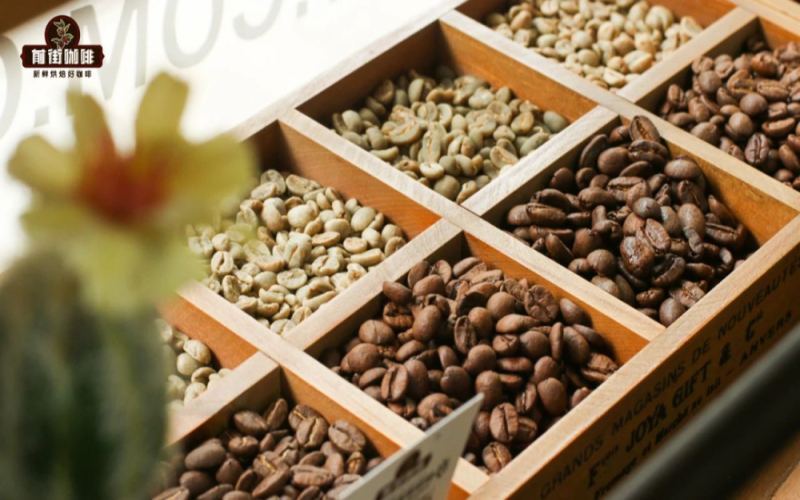
Ethiopia is the birthplace of Arabica coffee and one of the most prominent producing countries in today's specialty coffee landscape. Beyond the two calling cards of Yirgacheffe and Sidamo, the country is also home to numerous distinctive regions such as Harar, Gimma, and Limu. This article will walk through cultivation methods, native varieties, processing methods, and the flavors of the nine major regions, then move on to the specific differences between G1 and G3 in the ECX grading system. Combined with roasting and brewing examples from Front Street Coffee, it aims to help readers gain a systematic understanding of the quality landscape of Ethiopian coffee. [more…]
An Analysis of Ethiopian Coffee Bean Varieties and Characteristics: Trading Models and Flavor Regions in the Country with the World's Richest Coffee Diversity
Ethiopia is hailed as the Garden of Eden of coffee, the birthplace of heirloom coffee varieties and a global treasure trove of coffee genetics. Within its borders lie thousands, even tens of thousands, of coffee varieties, most of them wild and undiscovered. Coffee production involves approximately 15 million people, primarily organized through smallholder cooperatives, and accounts for more than half of the country's GDP. The East African Rift Valley divides the growing regions into eastern and western walls; the east is represented by Harar, Sidamo, and Yirgacheffe, while the west includes Lake Tana, Gimbi, and Limu. The government centralizes grading and sales through the ECX exchange and registers trademarks to protect quality. Coffee is produced under four models: forest, semi-forest, garden, and plantation. The coffee ceremony is furthermore an ancient and elegant national art of Ethiopia. Front Street Coffee recommends that you delve deeper into the coffee culture of this mysterious country. [more…]
The Ethiopian Coffee Trademark Dispute and a Full Analysis of the Nine Major Producing Regions: The Development Trajectory from Front Street Yirgacheffe to Huakui
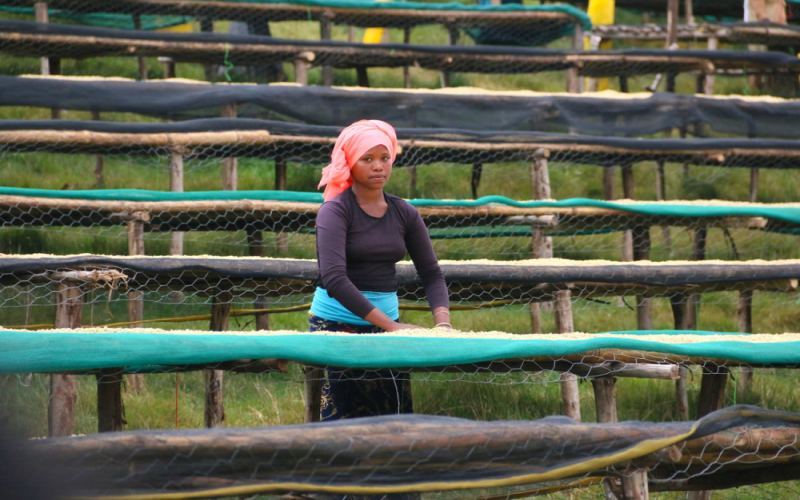
Ethiopia is Africa's largest coffee-producing country and one of the birthplaces of specialty coffee. This article begins with the trademark lawsuit between Ethiopia and Starbucks, reviews the country's journey to secure rights for coffee farmers, and then systematically outlines the cultivation systems, flavor characteristics, and evolution of processing methods across Ethiopia's nine major coffee-producing regions. Drawing on Front Street Coffee's cupping and roasting experience, it provides a detailed introduction to representative products such as Front Street Yirgacheffe and Front Street Natural Huakui, and analyzes the logic of flavor changes behind the Red Cherry Project, the ECX grading system, and the successive iterations of Huakui, offering coffee lovers a regional guide that combines historical context with practical information. [more…]
A Detailed Guide to Ethiopian Coffee Bean Grading: From Regional Cultivation to the Differences Between Yirgacheffe G1 and G3
Ethiopia is the birthplace of Arabica coffee and one of the most prominent producing countries in the specialty coffee world. Regions such as Yirgacheffe, Sidamo, and Harar each have their own distinctive characteristics, while grade designations like G1, G2, and G3 are key information that is impossible to avoid when buying Ethiopian beans. From the perspective of Front Street Coffee, this article systematically sorts through Ethiopia's coffee cultivation models, native varieties, the two processing methods of natural and washed, the flavor profiles of nine major producing regions, and the ECX-led grading system. The article will also focus on analyzing the actual differences between Yirgacheffe G1 and G3 in defect rate, bean appearance, and cupping performance, and will include the roasting curve and V60 brewing parameters for Front Street Coffee's Huakui natural beans, helping readers comprehensively understand the quality logic of Ethiopian coffee. [more…]

Ethiopian Coffee's Flavor Code and Century-Old Ritual: A Full Analysis from the Birthplace to the Nine Major Regions
As the recognized birthplace of coffee, Ethiopia not only boasts thousands of native coffee varieties but also weaves coffee deeply into its social fabric and daily life. From the hour-and-a-half-long coffee ceremony to the flavor differences among its nine major regions such as Yirgacheffe and Sidamo, this article guides you through a systematic understanding of the cultural core and cultivation landscape of Ethiopian coffee. Front Street Coffee will also share roasting and brewing suggestions along with flavor descriptions for Yirgacheffe and Sidamo, helping coffee enthusiasts gain a more comprehensive understanding of this specialty coffee nation. [more…]
A Comprehensive Analysis of African Coffee Regions: Varieties, Flavors, and Processing Methods in Ethiopia, Kenya, and Beyond
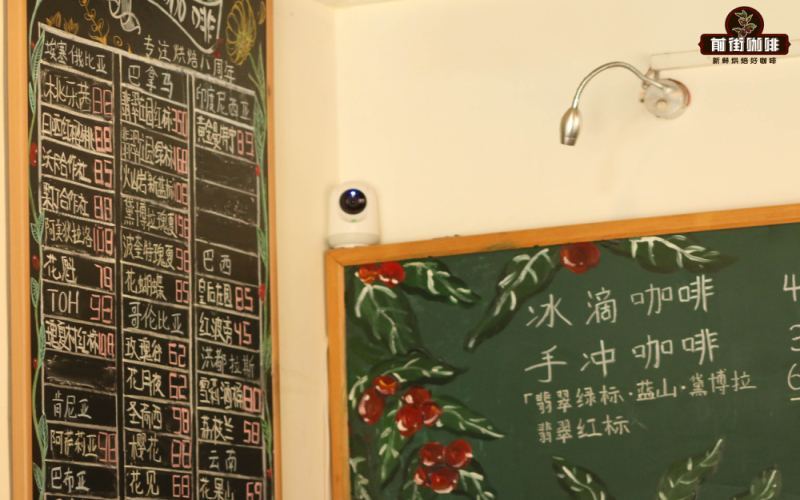
Africa is an important region that cannot be overlooked on the global coffee map. From Ethiopia and Kenya in East Africa to Rwanda and Burundi in Central Africa, and further to Tanzania and Malawi in the south, this continent has produced high-quality coffees of diverse styles. African coffees are generally known for their rich aromas and lively fruity acidity, with natural and washed processing being the main methods. Due to drought and water shortages, the beans are often uneven in size, yet this has also given rise to a unique flavor signature. This article will systematically sort out the cultivation systems, representative varieties, grading systems, and flavor characteristics of major African producing countries, and will also include brewing suggestions and flavor descriptions for several African beans from Front Street Coffee, taking you through a comprehensive understanding of the charm of African coffee. [more…]